FR - EN

Le Manach in the service of Hugo Drubay’s reinterpretation of an archival design by Louis Majorelle

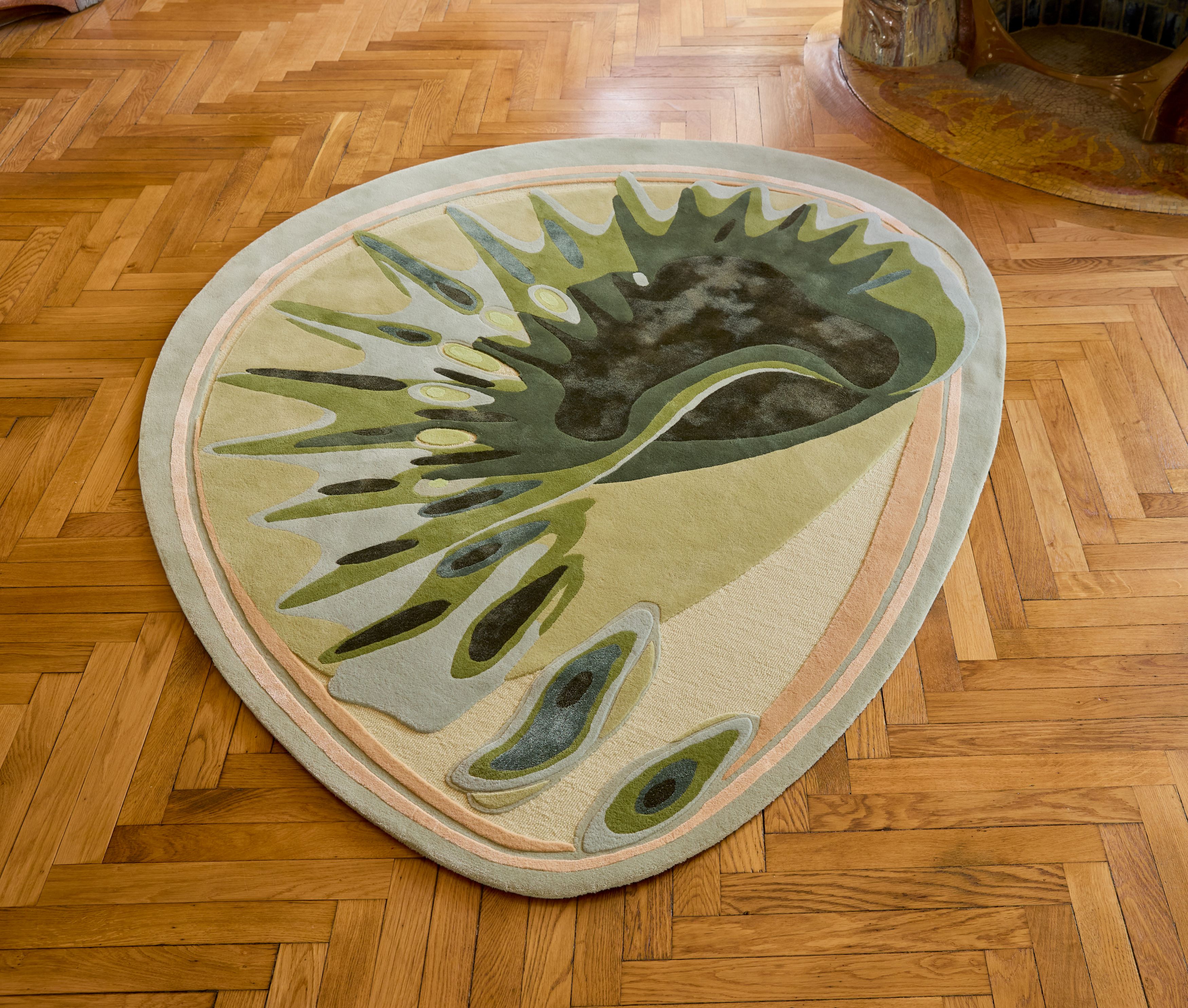
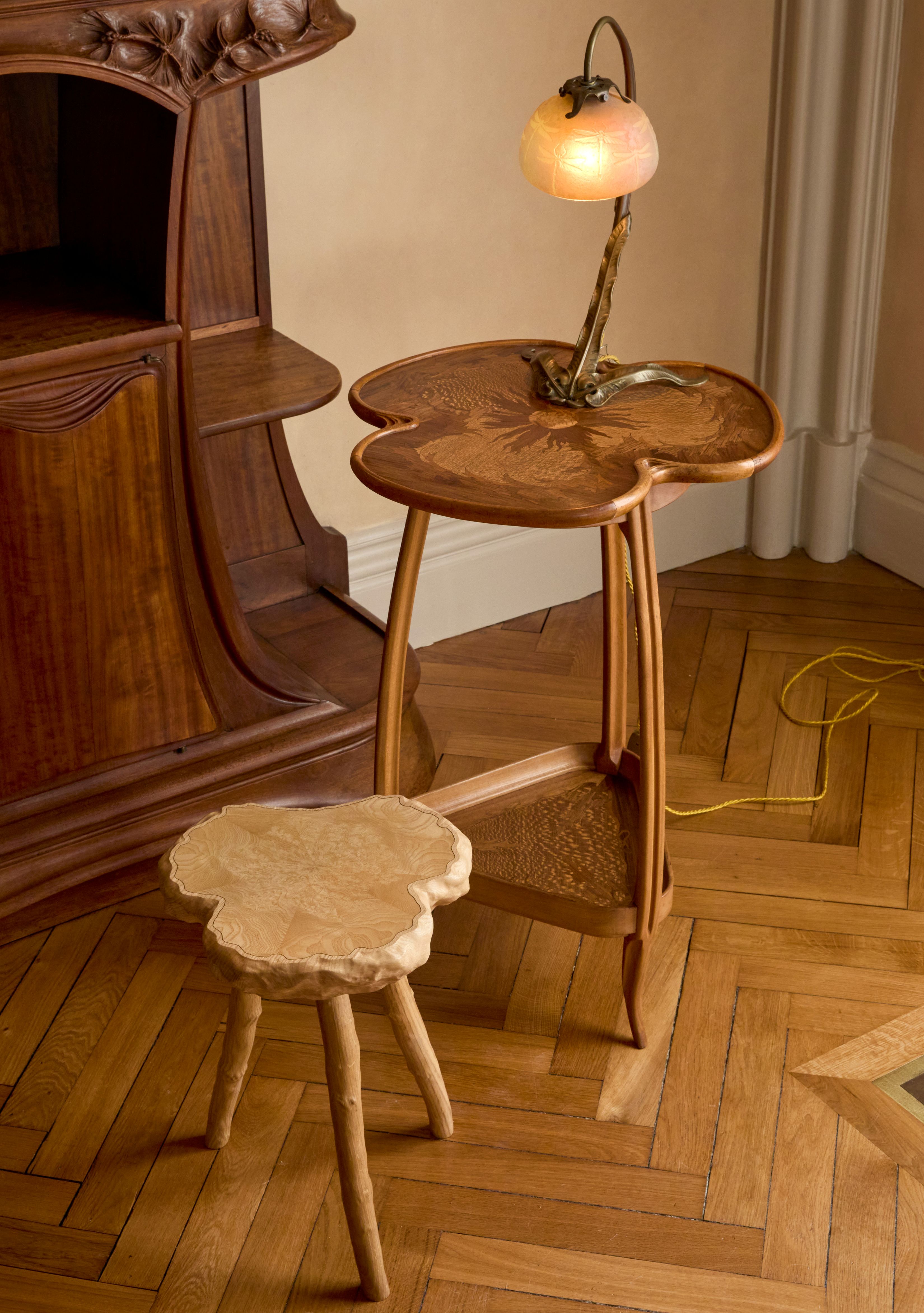
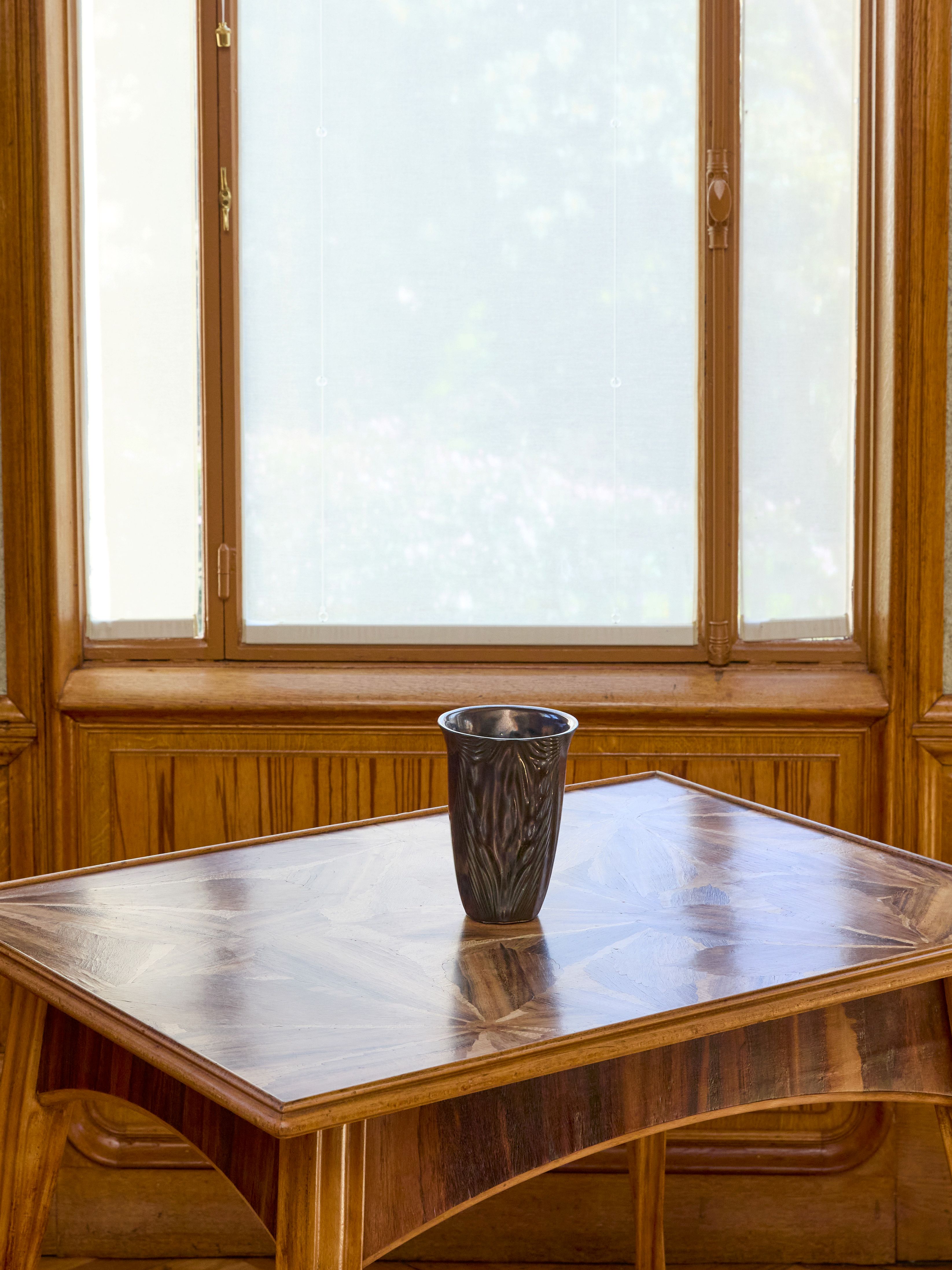
From 6 June 2026 to 3 January 2027, the Villa Majorelle hosts LÀ OÙ LES ARBRES PRENNENT FORM, an exhibition by Hugo Drubay that takes over this emblematic site, the landmark house of Louis Majorelle and a symbol of French Art Nouveau. At the heart of its historical collections, designer Hugo Drubay presents a series of new, previously unseen works that extend this heritage by projecting it into the present day. This project follows an artist residency at the villa as part of Art Nouveau as a New Eutopia, organised by the Réseau Art Nouveau Network. Blending craftsmanship with contemporary technologies, his work sketches a new way of inhabiting space—more organic and directly connected to living systems. Here, Art Nouveau is not revisited; it is set back in motion.

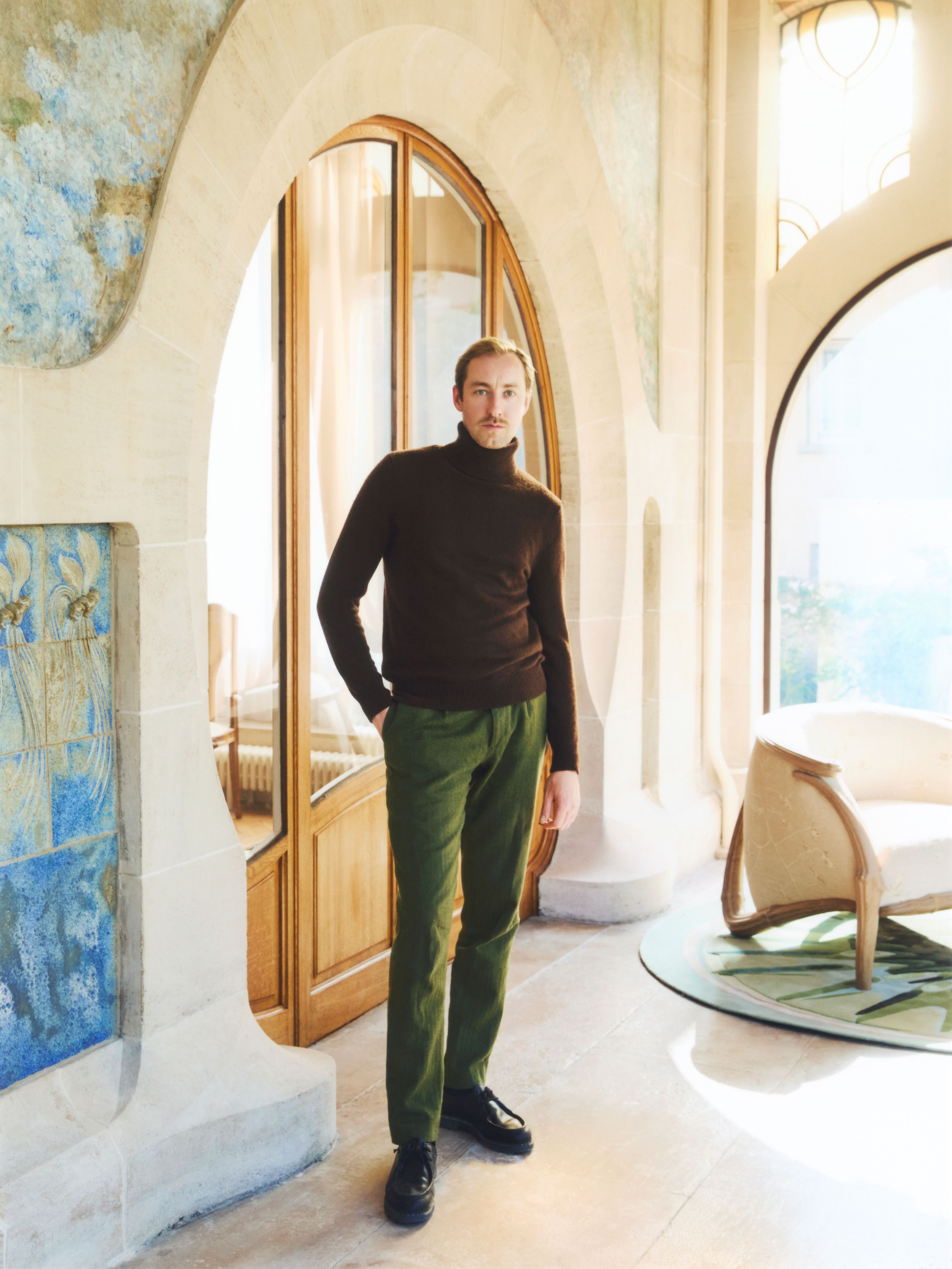
Hugo Drubay

An interior architect and designer, Hugo Drubay—recognised by the Mobilier National and the Villa Noailles, and a former resident of the Villa Medici thanks to the support of the Fondation Bettencourt Schueller—situates his work within the lineage of the great names of the decorative arts.

Through the creation of artistic furniture and exceptional interior spaces, he brings heritage, innovation, and contemporary vision into dialogue with a commitment to excellence. To live in an interior designed by Hugo Drubay is to experience a sensitive projection towards a future way of living. He places particular importance on integrating the natural environment into living spaces, thereby fostering a renewed connection with nature.
The Villa Majorelle, a manifesto of Art Nouveau, and the legacy of Louis Majorelle

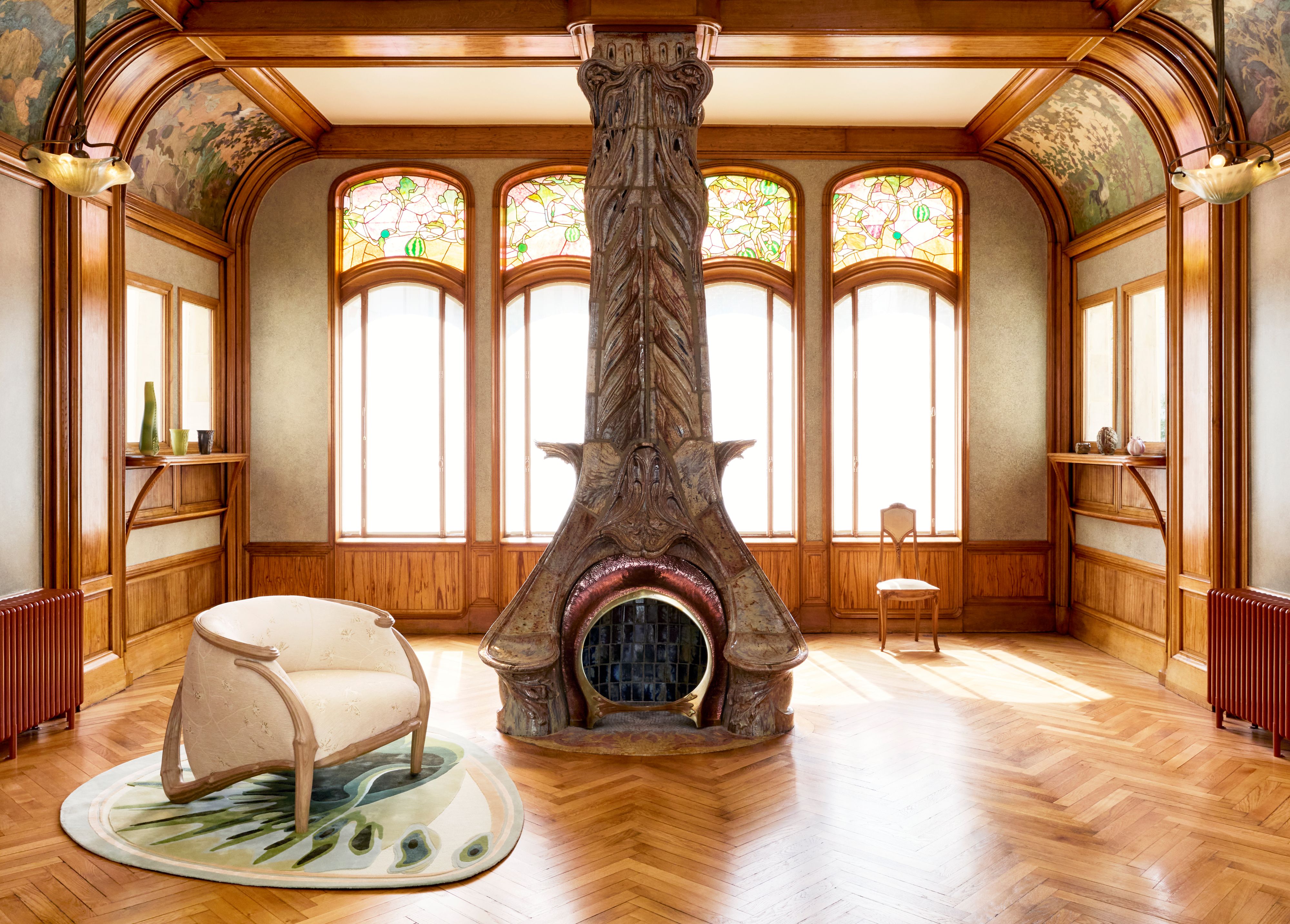
Crossing the threshold of the Villa Majorelle means entering one of the first fully Art Nouveau houses in Nancy. Built between 1901 and 1902 by architect Henri Sauvage for Louis Majorelle, a cabinetmaker and designer, it embodies a unique moment when art, architecture, and craftsmanship come together to create a true art of living.


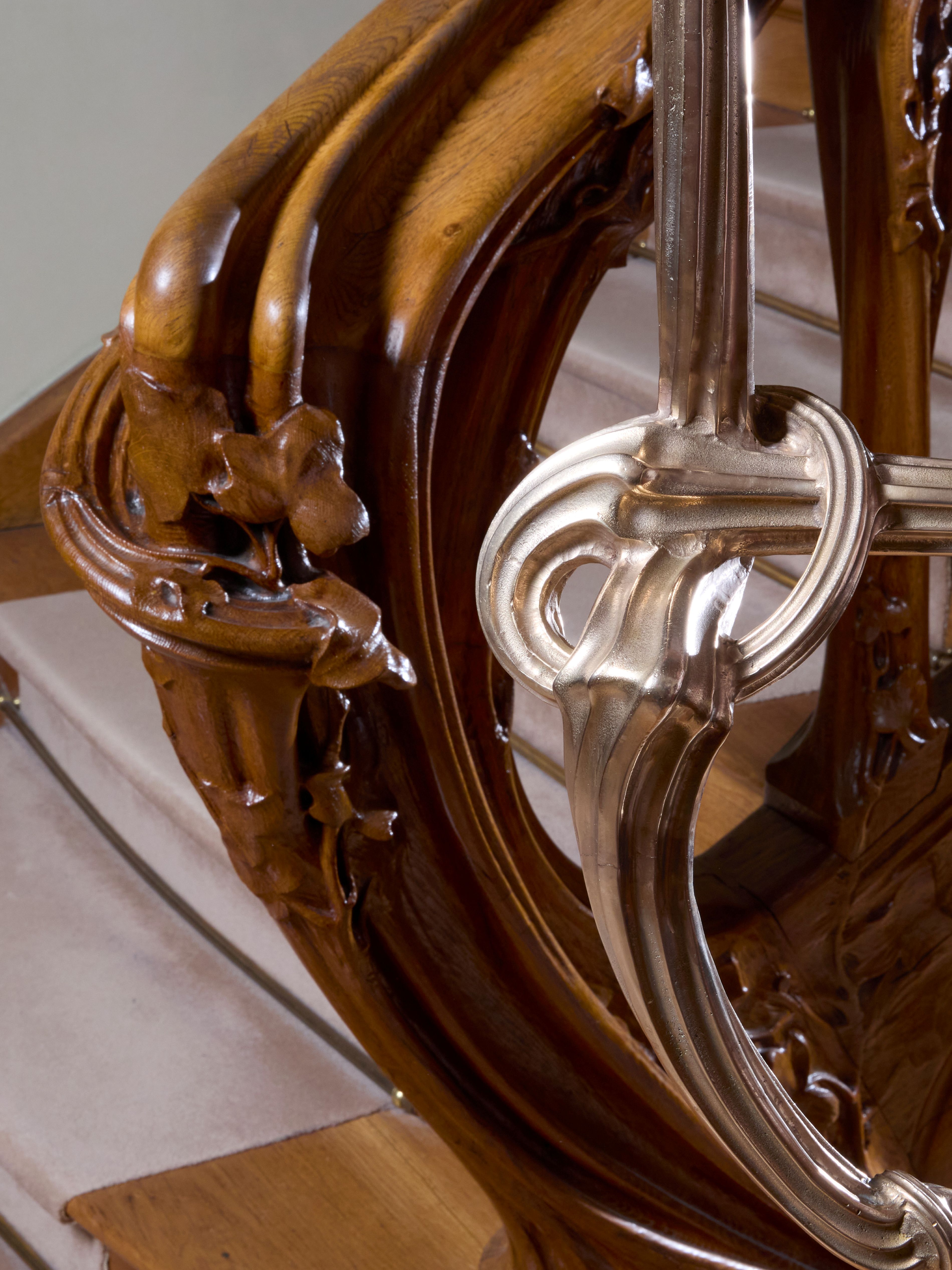
A leading figure of the École de Nancy, Louis Majorelle (1859–1926) was one of its founding members. His furniture stands out for its rare ability to turn wood into an almost organic, living material in motion, where the precision of craftsmanship meets the freedom of form. Conceived as a total work of art, the villa brings together the most innovative craft techniques of its time: carved woodwork, wrought iron, stained glass, and decorative elements interact in a harmony inspired by the plant world. 


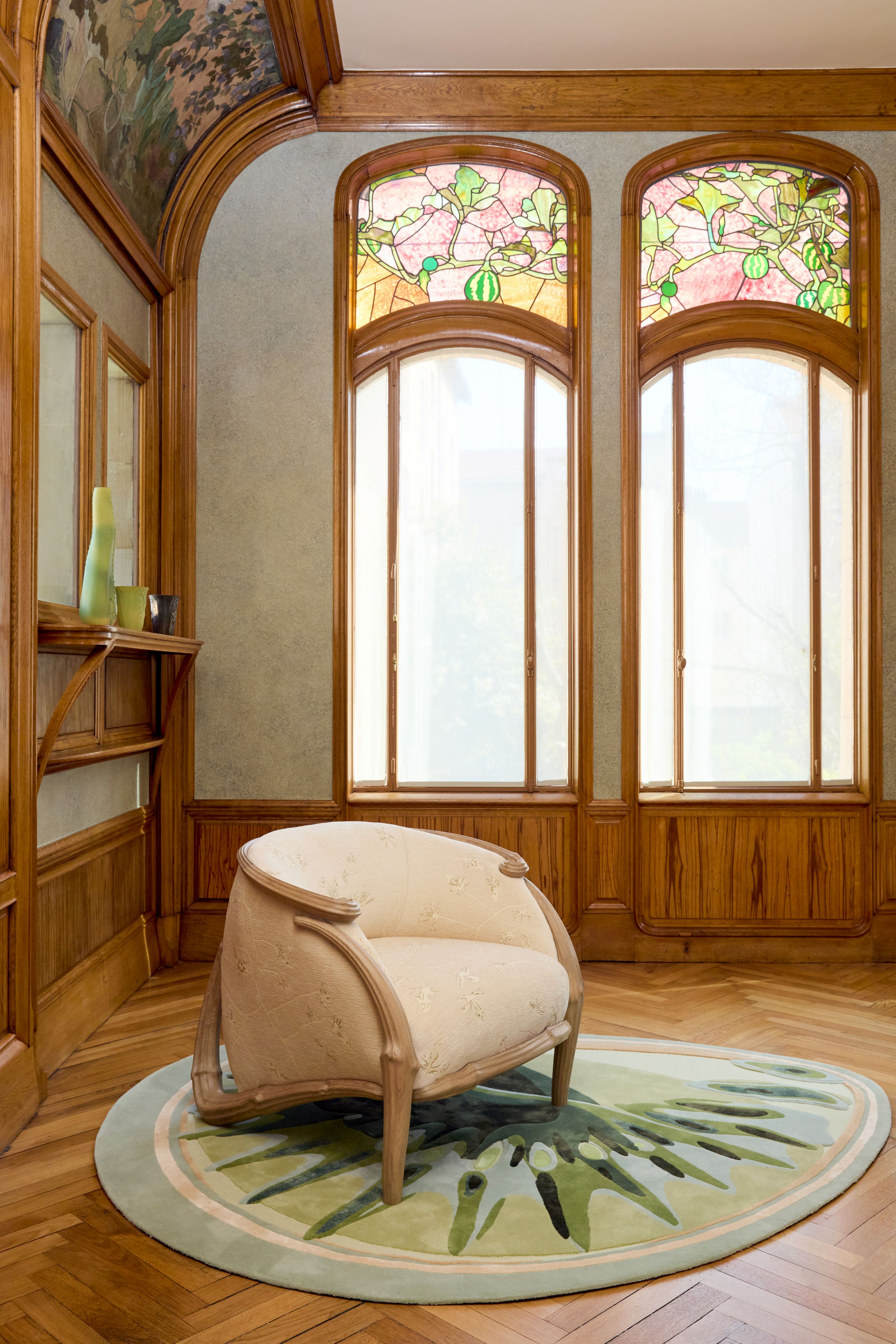
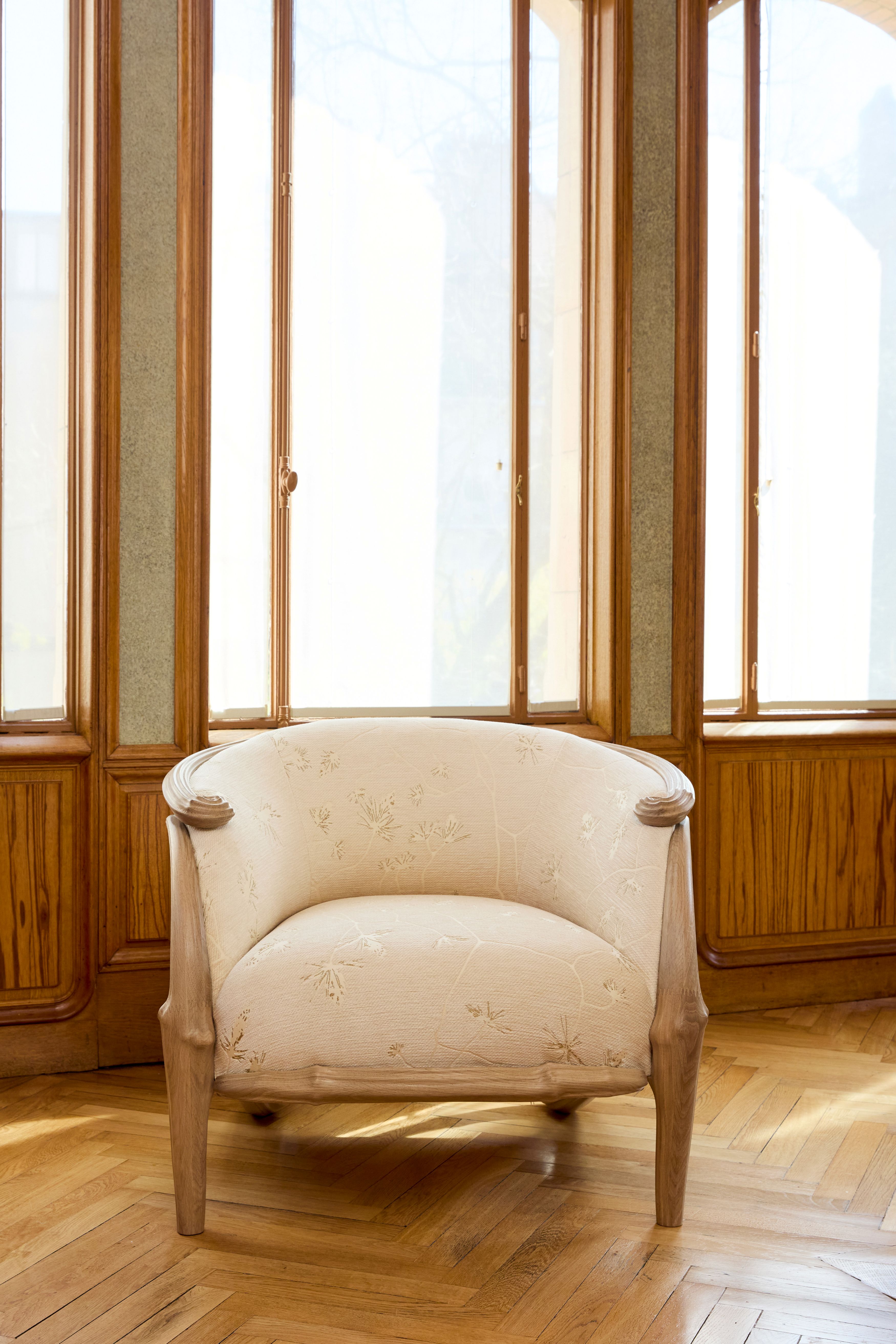
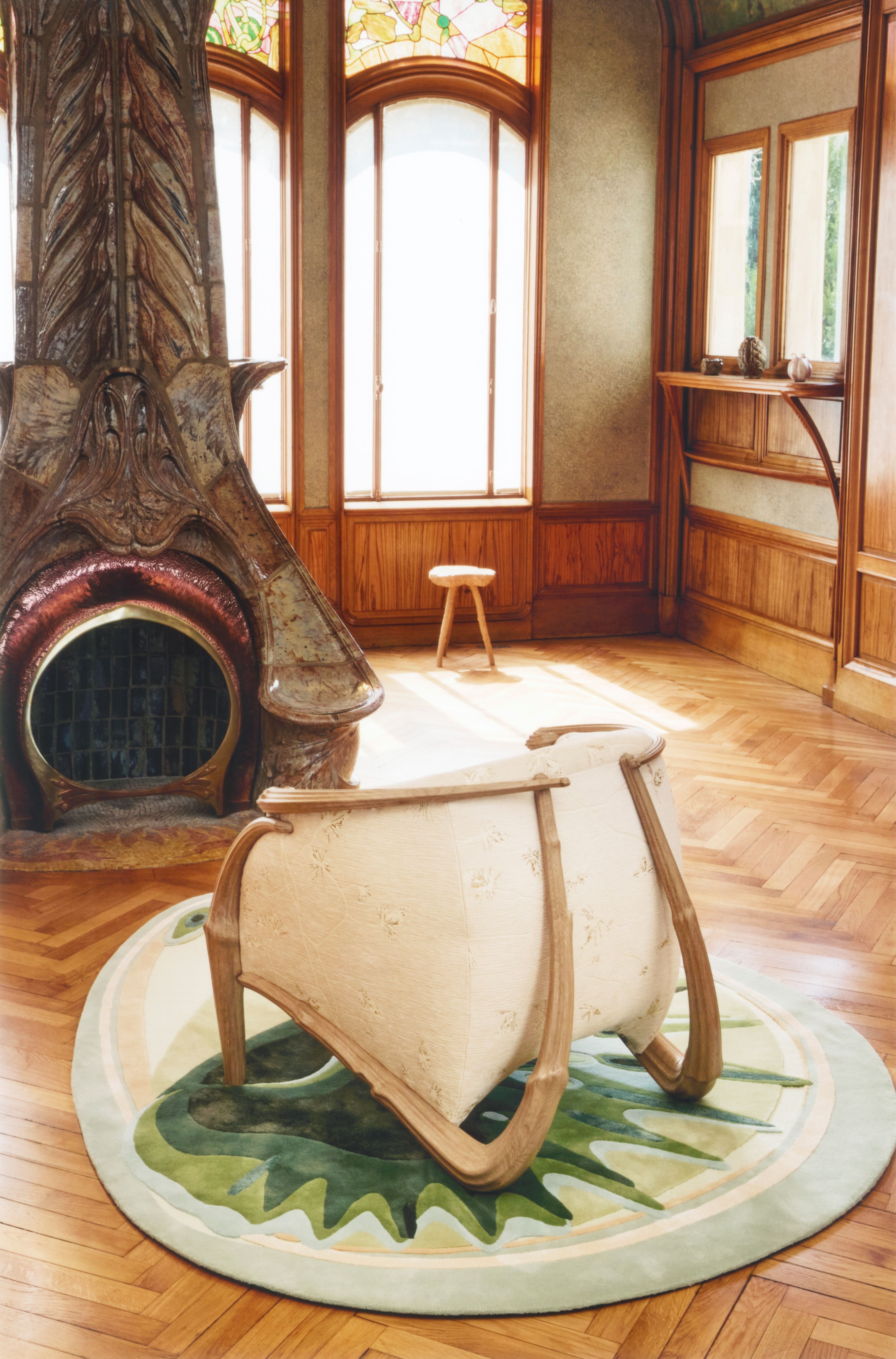
Majorelle Armchair by Hugo Drubay

Hugo Drubay’s work lies at the heart of this exhibition as a natural extension of the reflection on the legacy of Louis Majorelle.

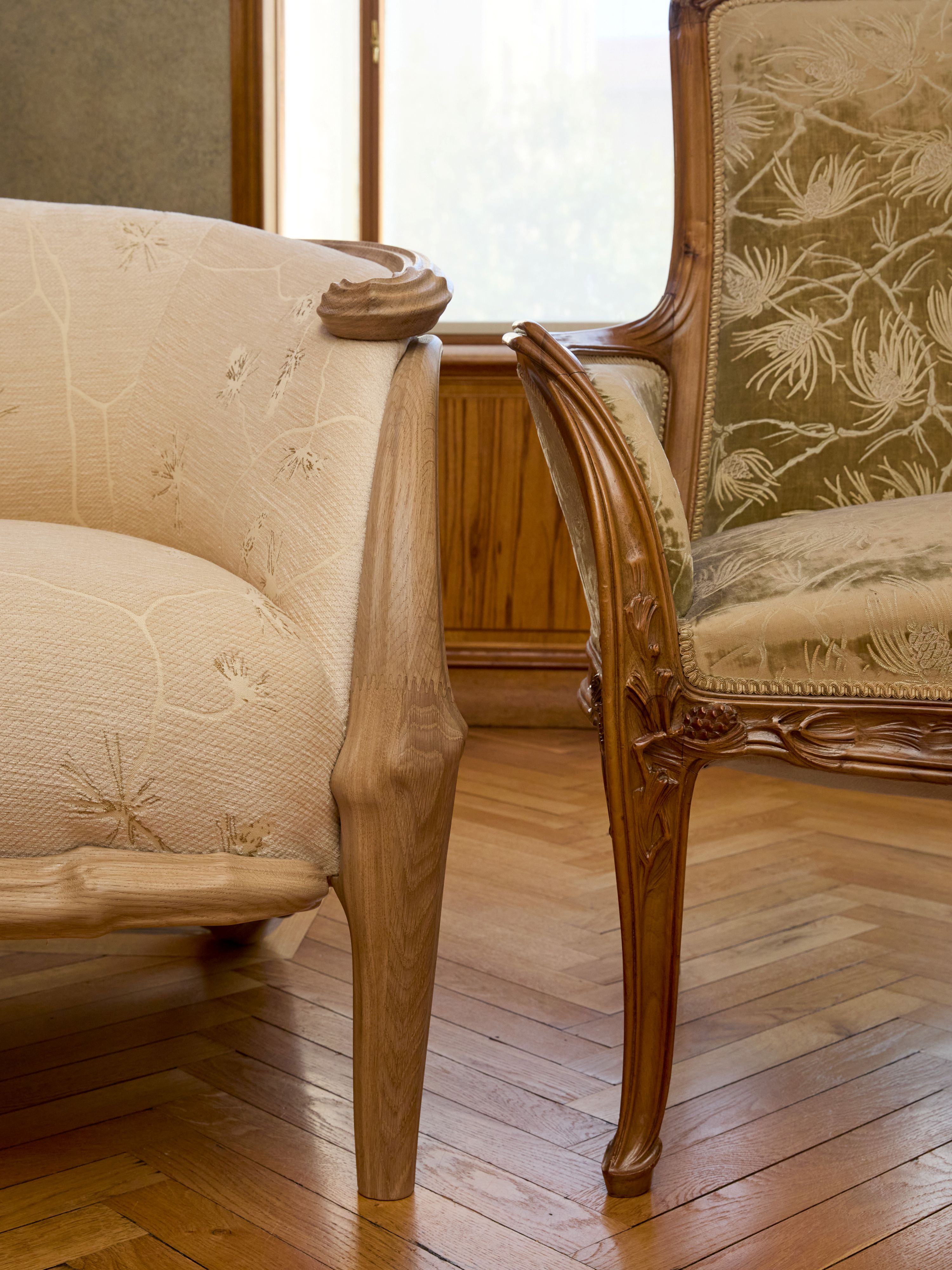
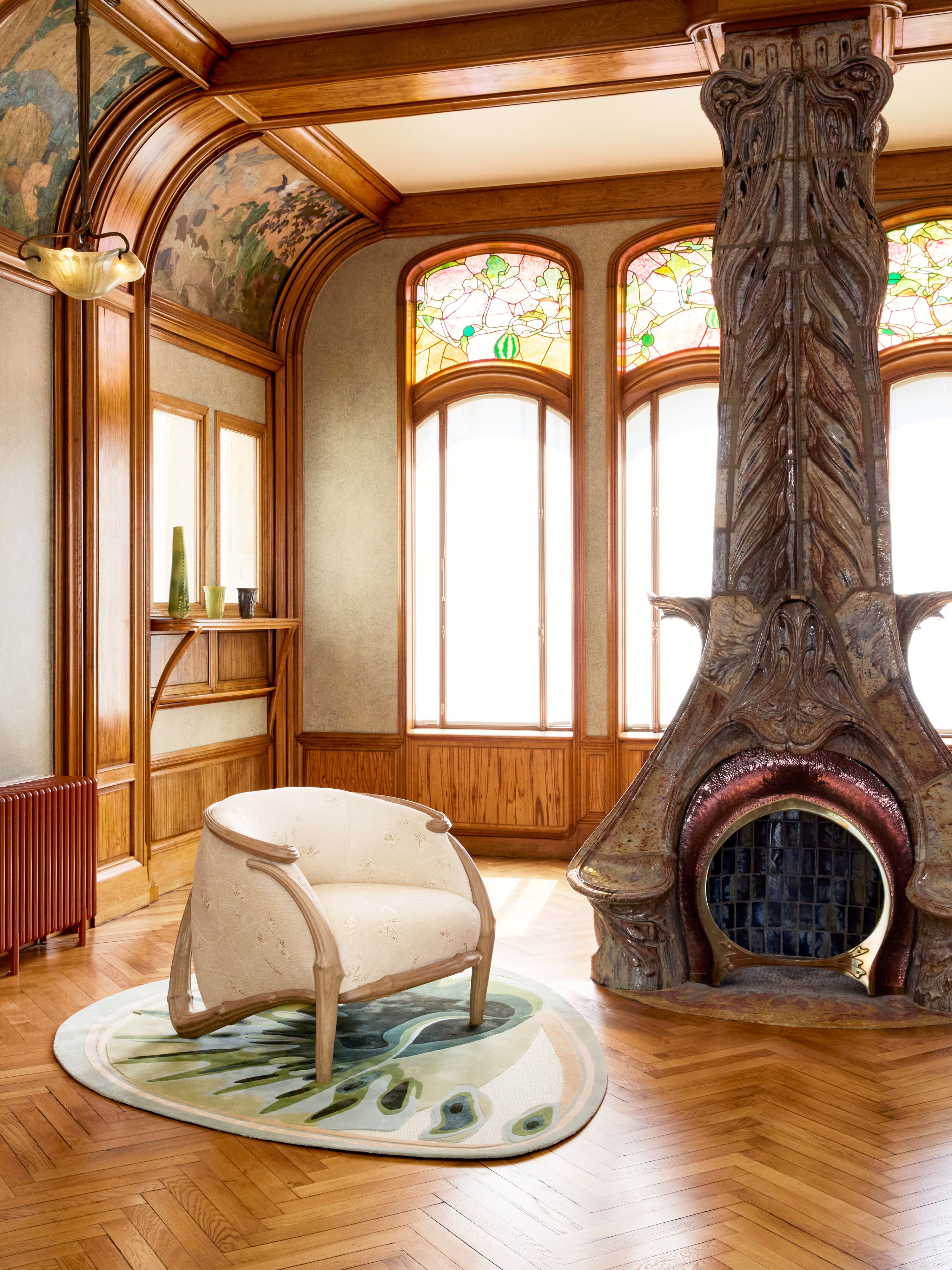
This concept takes shape in the Majorelle Armchair, a piece crafted in solid oak, designed by Hugo Drubay and upholstered with a Tours textile by Maison Le Manach, specially created from a design by the designer and archival materials from Villa Majorelle.

Reinterpreting the Pomme de Pins Fabric

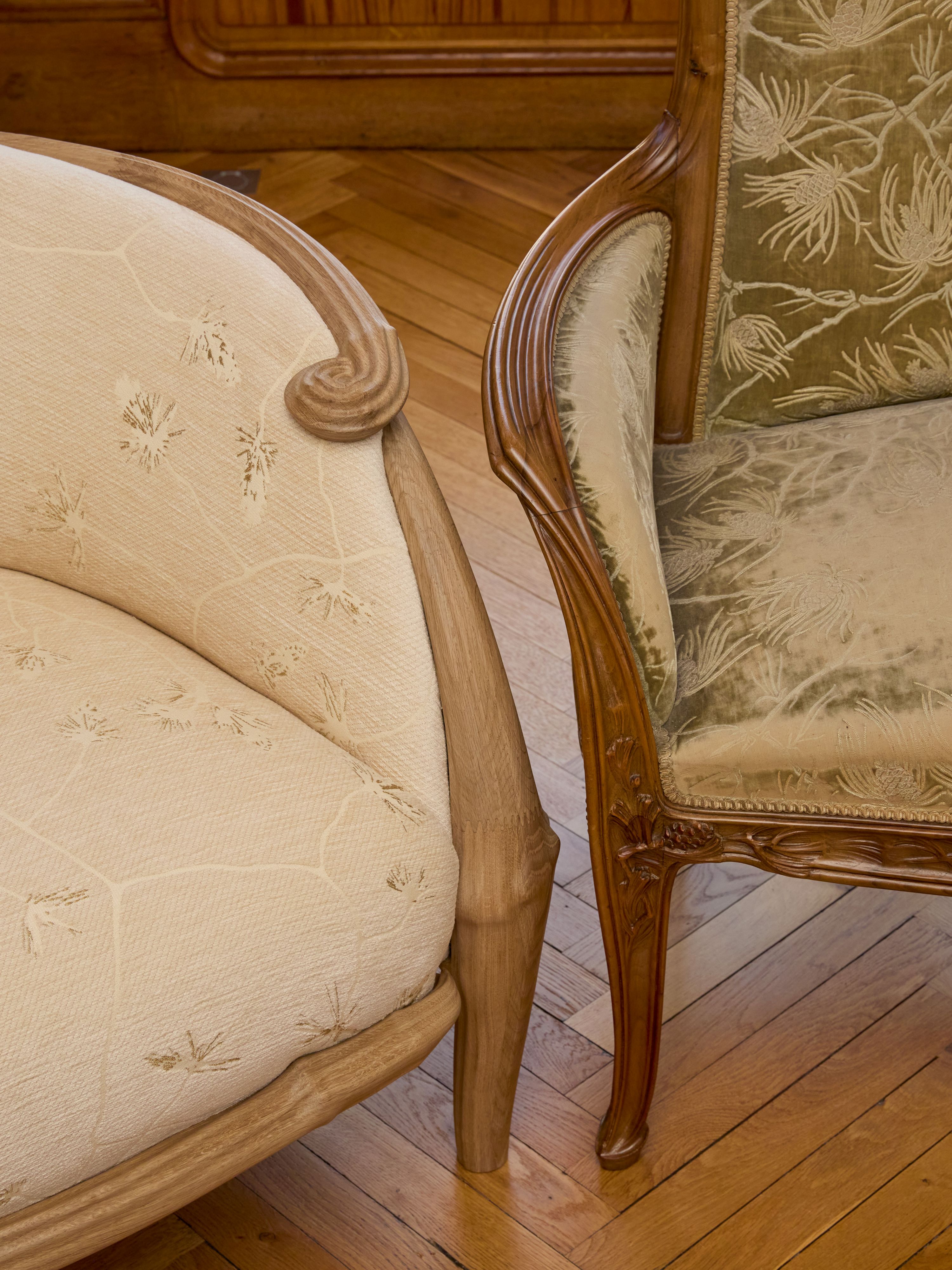
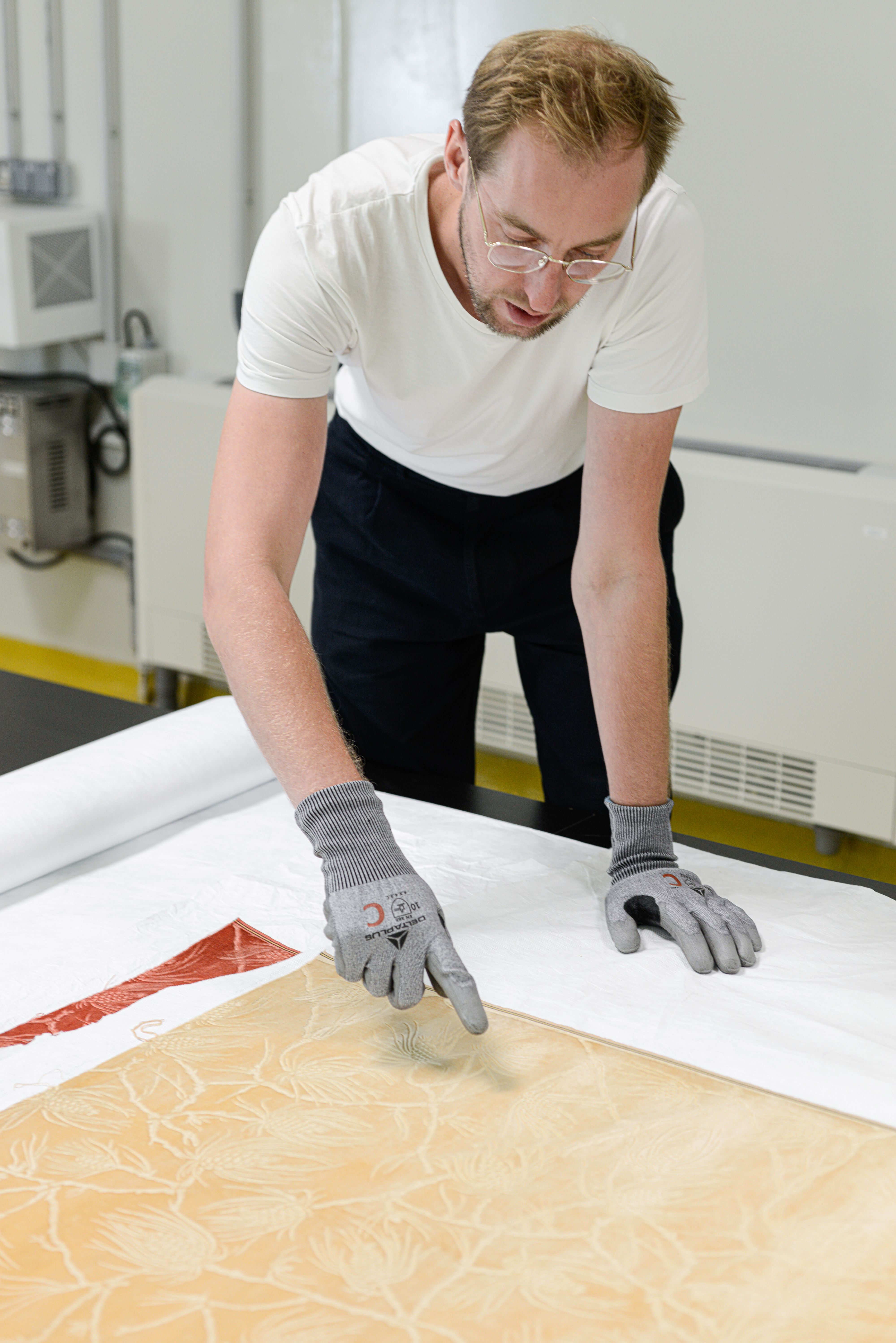
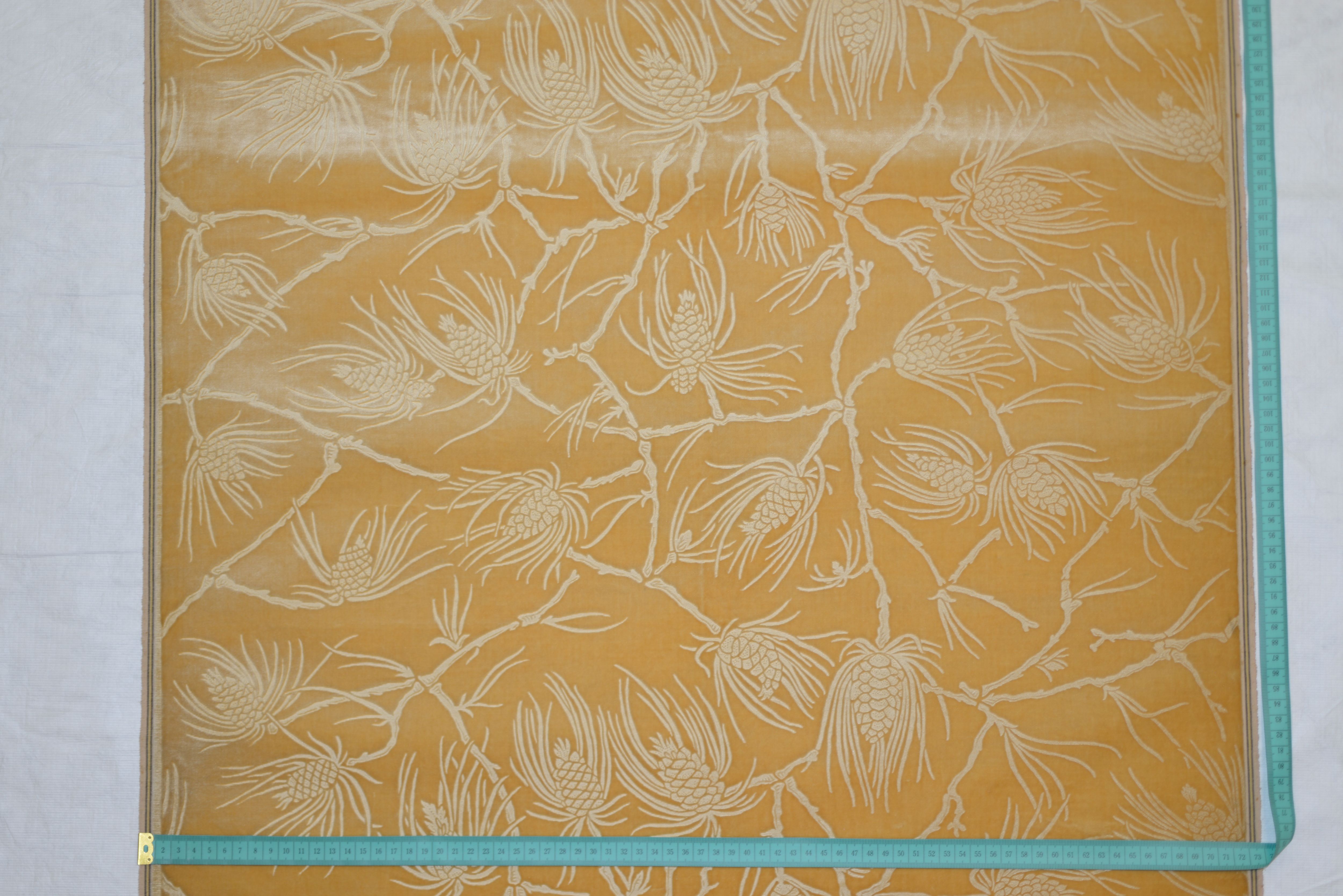
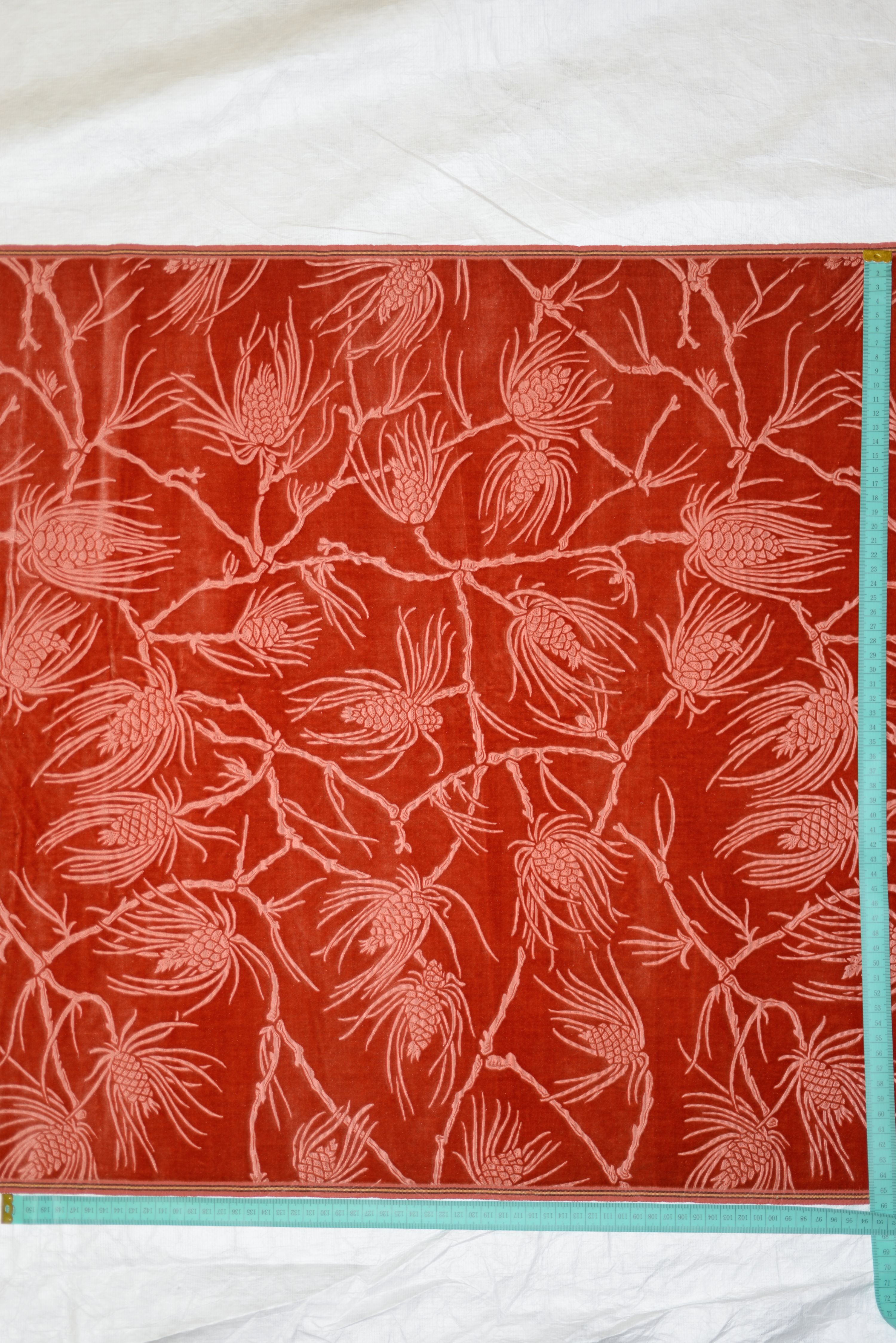
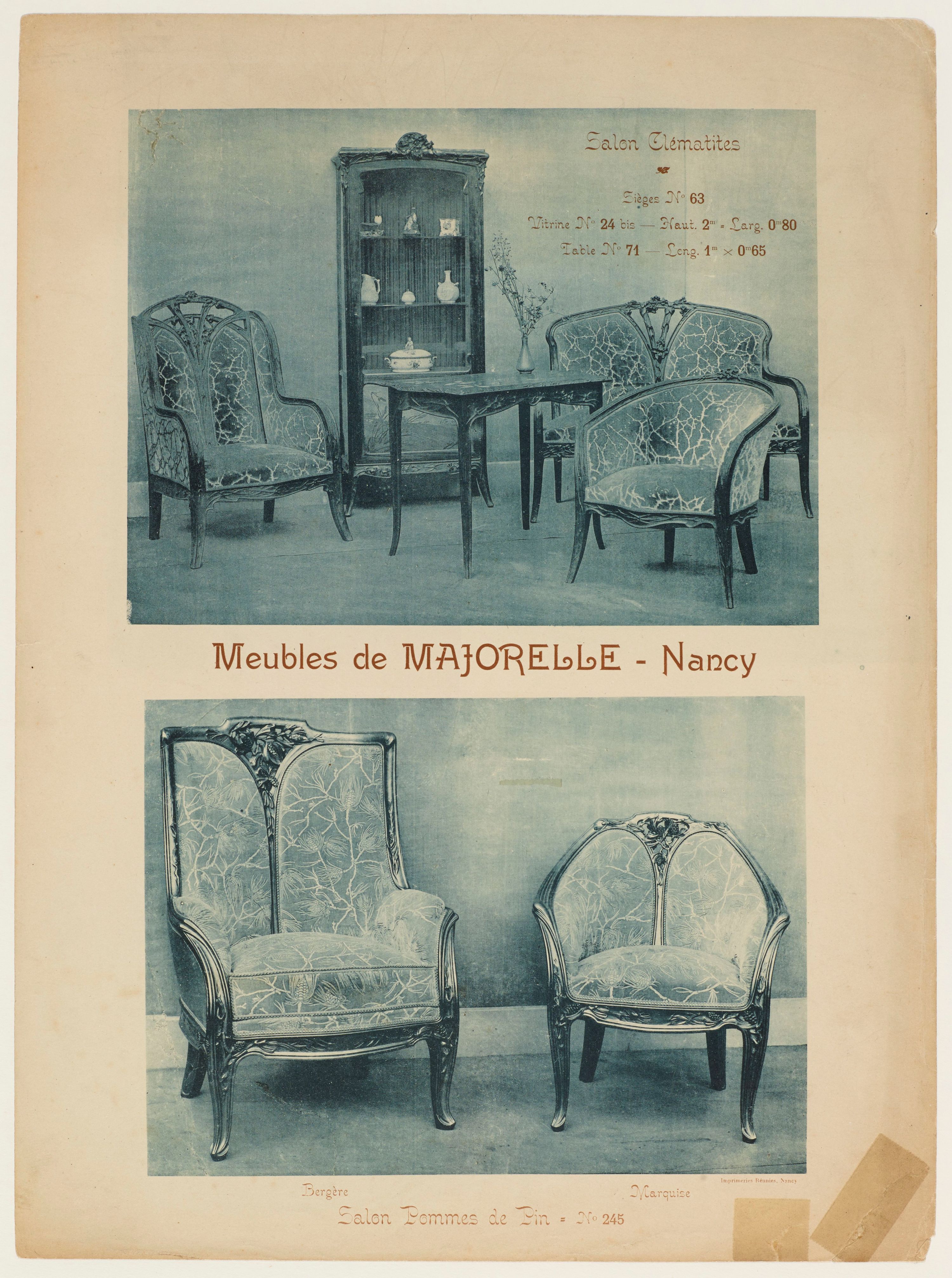
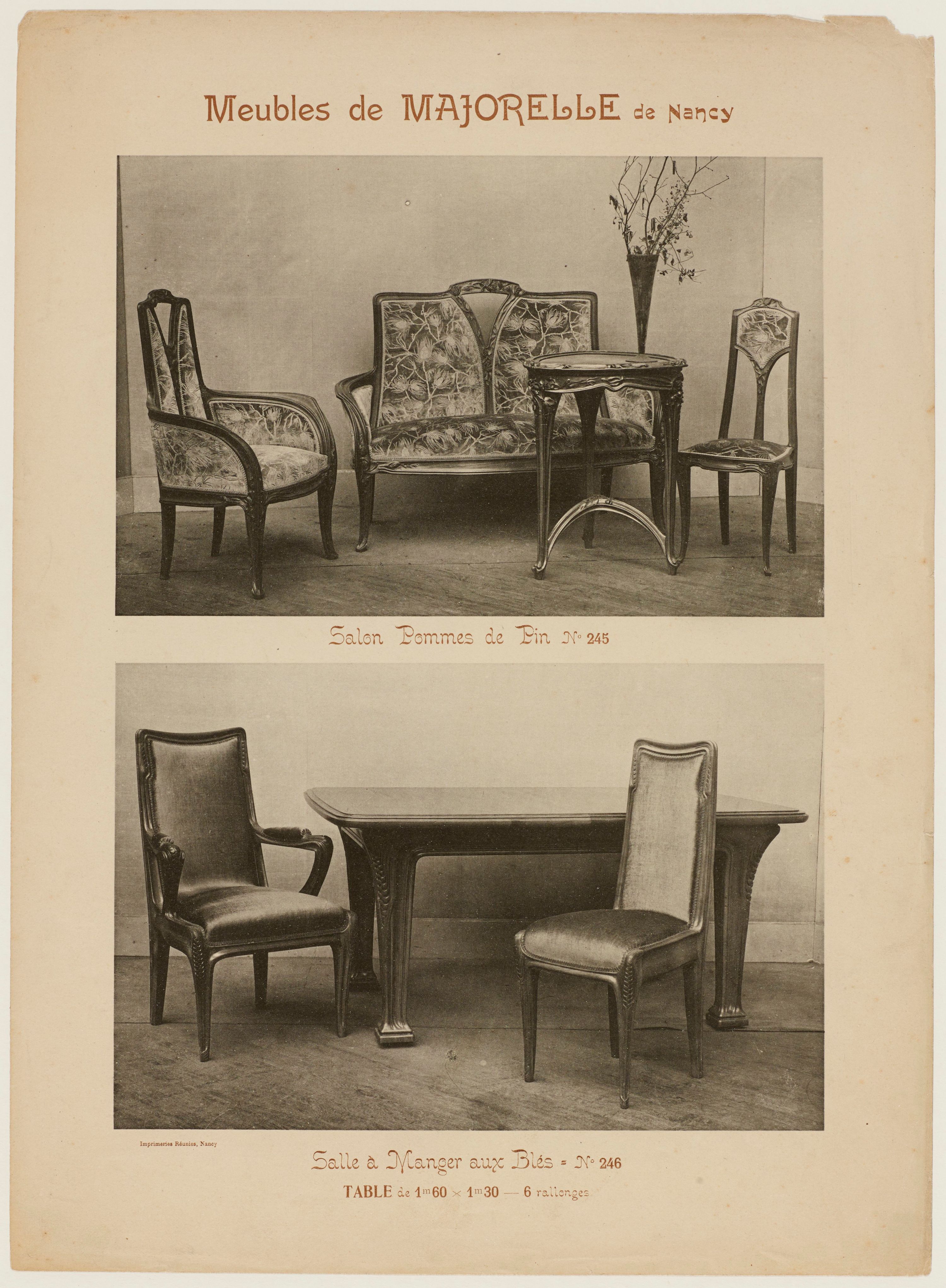
The project more specifically consisted in reinterpreting the fabric entitled "Pomme de Pins," designed by Louis Majorelle and still visible today in the salon of Villa Majorelle in Nancy. This textile is also preserved in the collections of the Musée de l’École de Nancy as well as the Musée des Arts Décoratifs, reminding us how Louis Majorelle designed signature fabrics to accompany his furniture, as evidenced by period catalogues.

One of the main challenges of this reinterpretation lay in faithfully restoring the delicacy of the design imagined by Hugo Drubay, particularly in the thistle and branching details. To meet this requirement, chenille yarn was chosen in order to recover the velvety quality of the original fabric and preserve its tactile, enveloping character. The ground weave remains perceptible within the thistle motifs, while subtle touches of pearlescent thread bring light and depth to the overall composition.

Developed thanks to French craftsmanship—particularly the expertise of Nancy—this project combines artisanal excellence with the integration of new technologies, such as the robotic arm used for wood carving.

You want to add this product to your wishlist ?
Login or create an account