FR - EN

2026 MAITRE D’ART - ELEVES PROGRAM


AT THE HEART OF TRANSMITTING CRAFTSMANSHIP


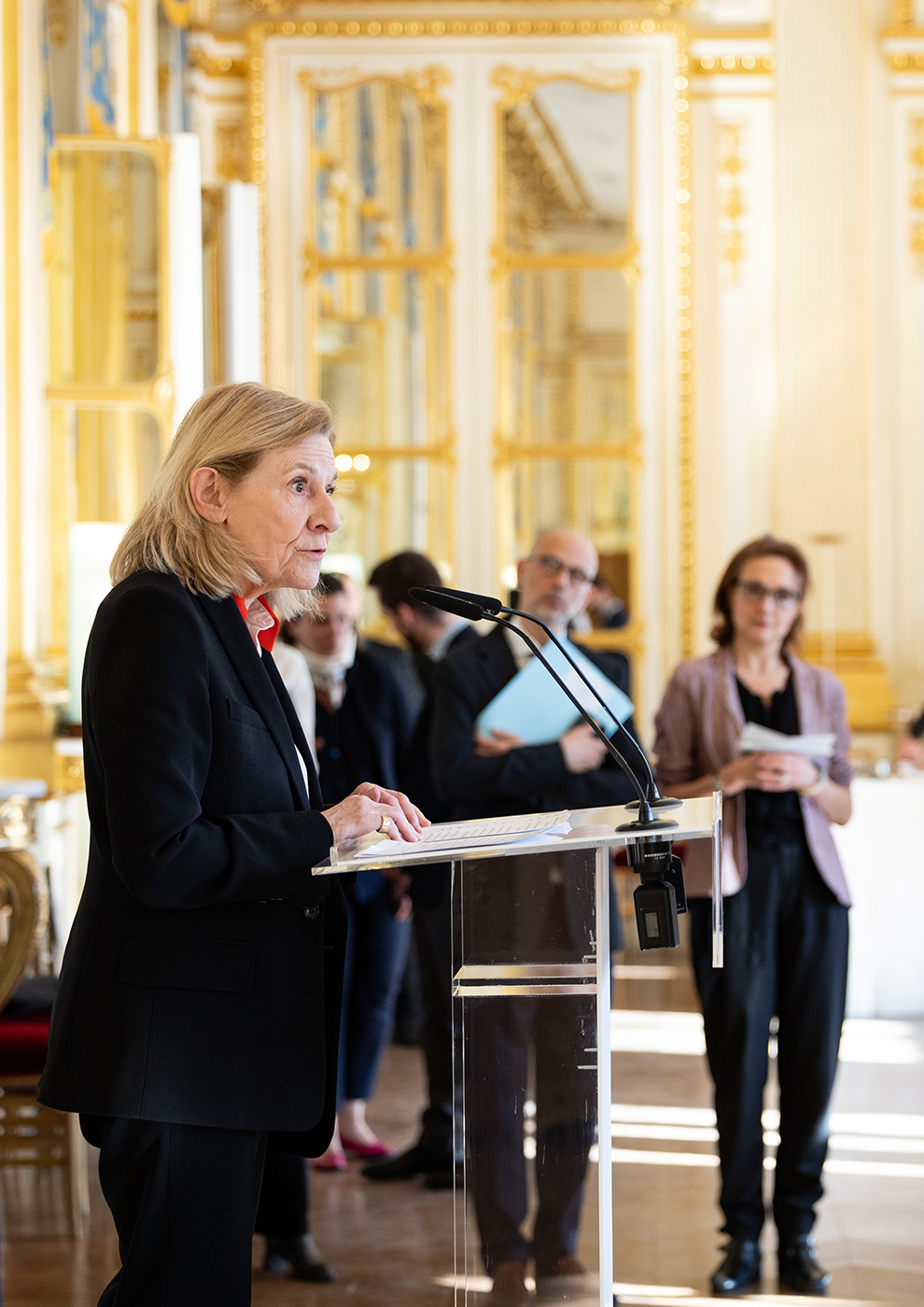
Created in 1994 by the French Ministry of Culture and implemented since 2012 by the Institut pour les Savoir-Faire Français, the Maîtres d’art – Élèves program now stands as a unique initiative in Europe.
Its mission is to preserve, pass on, and revitalize rare forms of expertise—sometimes at risk of disappearing—now practiced in only a handful of workshops. These skills form a living heritage that contributes both to France’s cultural identity and to the vitality of its economy.

LIVING CRAFTSMANSHIP IN SERVICE OF A LASTING COMMITMENT

The program is built on a close partnership between a professional renowned for the excellence of their craft and an apprentice they have personally selected. Together, they commit to a two-year transmission journey within the workshop. At the end of this demanding process, the master craftsperson may be awarded the official title of Maître d’art—a lifelong distinction granted by the French Ministry of Culture, recognizing both the excellence of a skill and an outstanding dedication to its transmission.


The 2026 cohort reflects the richness and vitality of the crafts sector in France, with eight selected pairs working across a range of disciplines, including rare or little-documented areas of expertise. Their presence across five regions also highlights the program’s strong regional roots.


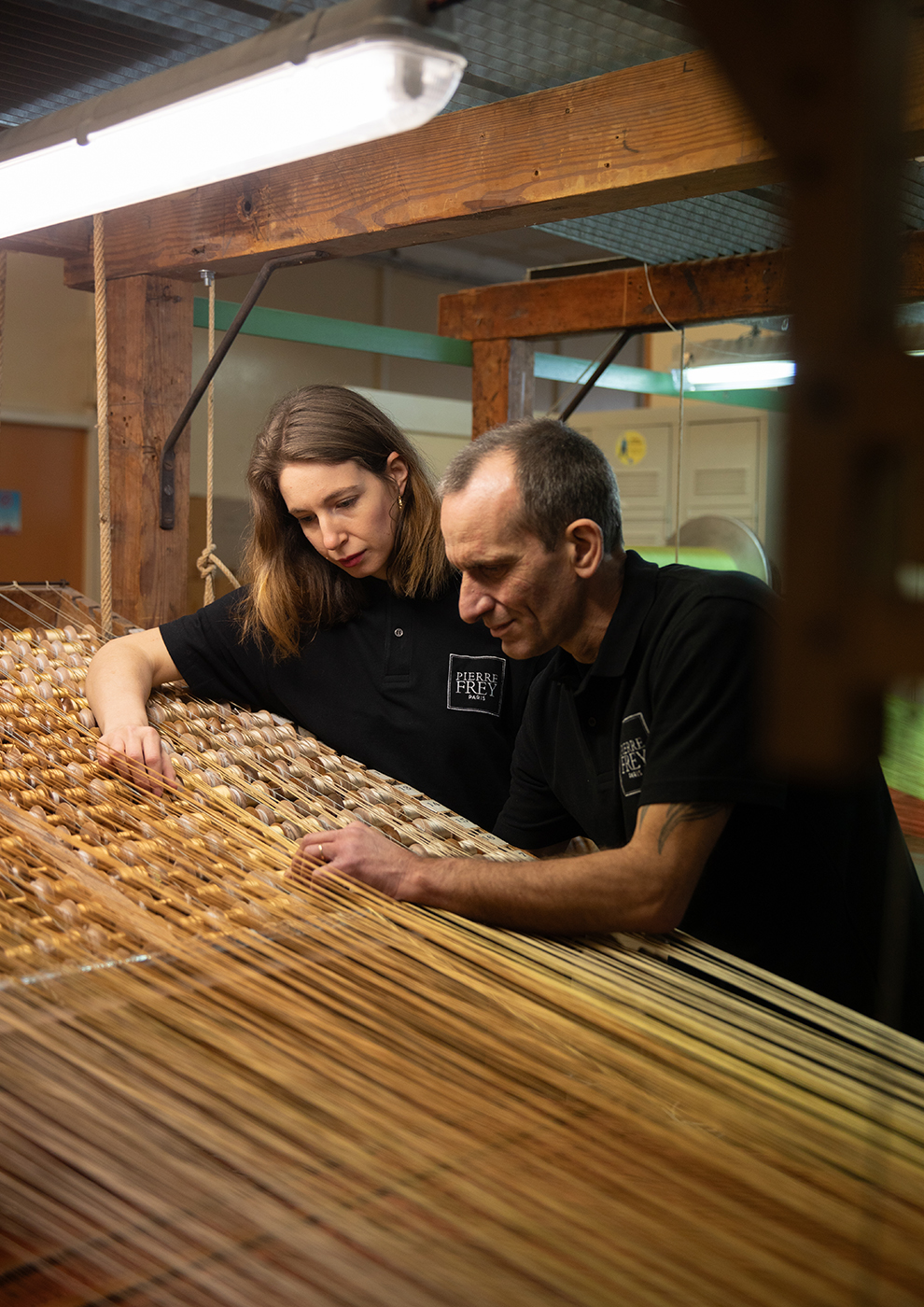
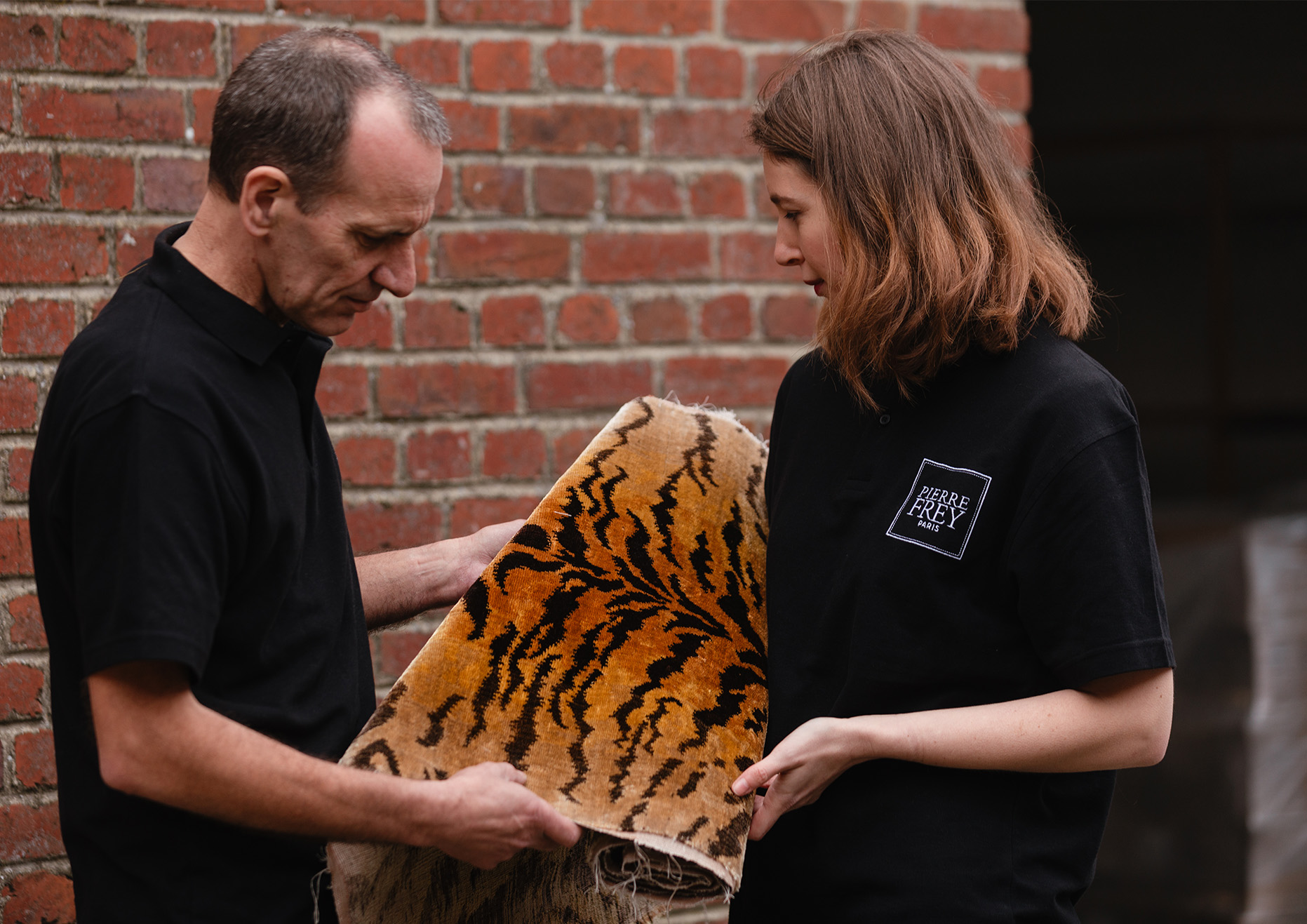
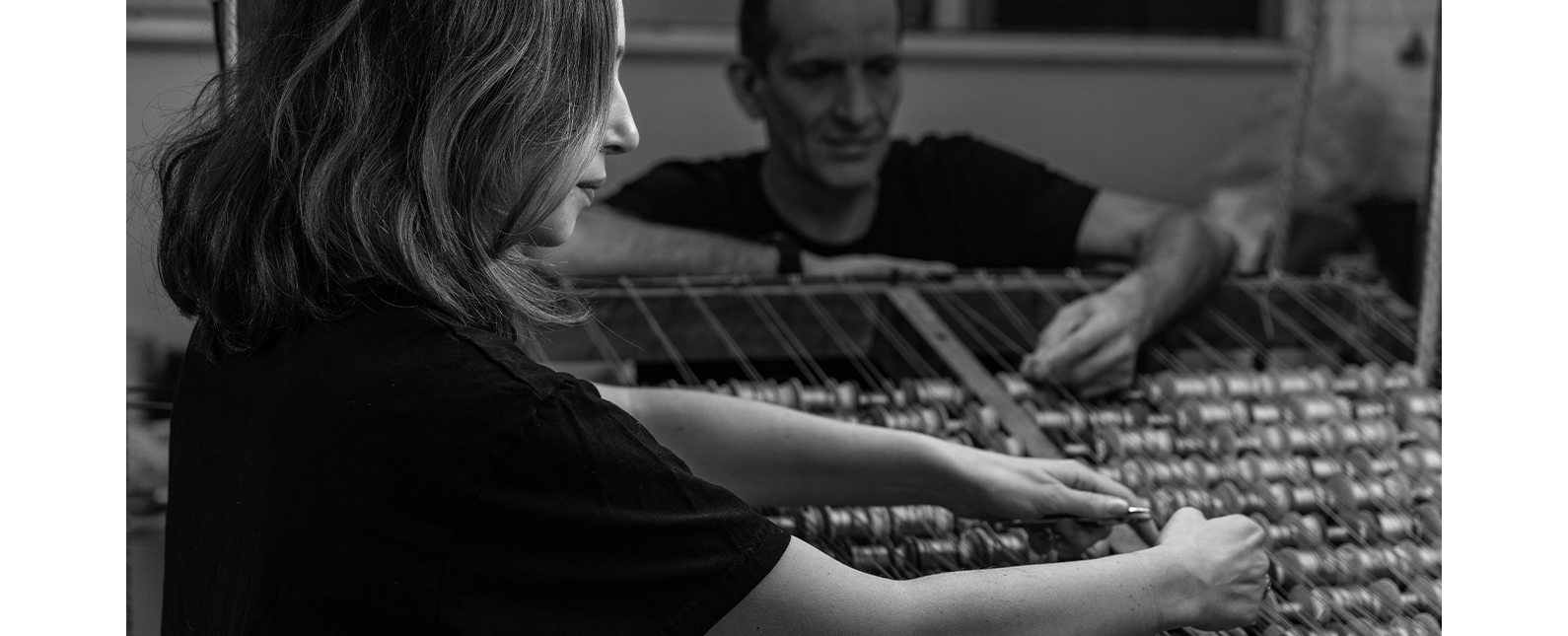
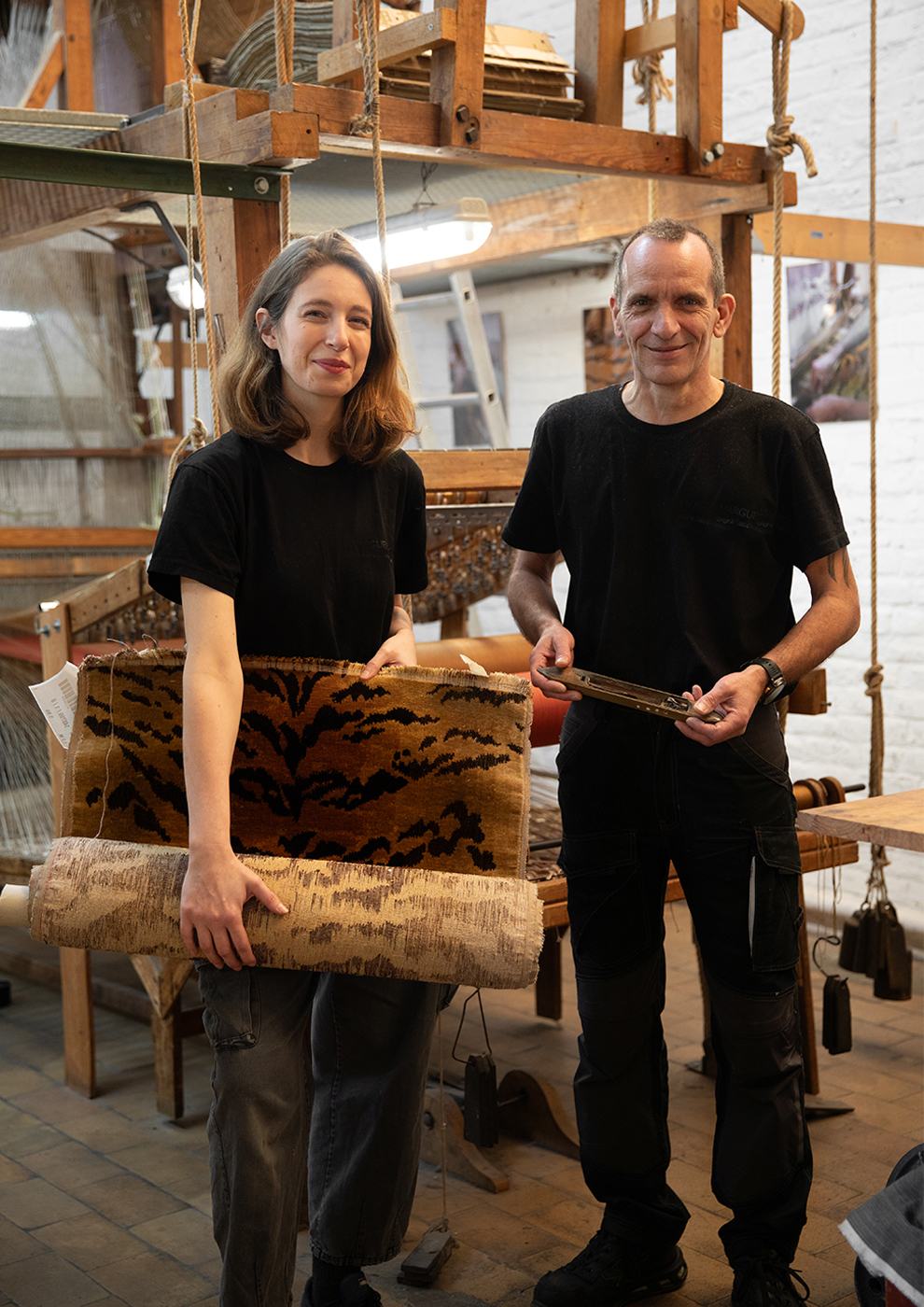
Maison Pierre Frey is proud to count among the laureates the duo of weaver Olivier Joannen and his apprentice Pauline Desmullier, part of the 2026 Maîtres d’art – Élèves program.
A HAND THAT TEACHES, A HAND THAT LEARNS

Within the Pierre Frey manufacture, every gesture reflects a deep commitment to the craft. Weavers, warpers, knotters, menders, dyers, and quality controllers all embody skills practiced with precision by women and men proud to carry forward an exceptional textile tradition.

The manufacture thus becomes a place of constant transmission—a passing on of the hand, the eye, and the memory.

PASSING ON RARE EXPERTISE: A MAJOR CHALLENGE FOR THE CRAFTS SECTOR

In a context shaped by the aging of those who hold exceptional expertise, and by the lack of dedicated training pathways for many techniques, transmission has become a critical issue.
Beyond the passing on of gestures, the program seeks to train a new generation of professionals capable of sustaining these skills while adapting them to contemporary challenges—economic, environmental, and technological.

OLIVIER JOANNEN & PAULINE DESMULLIER

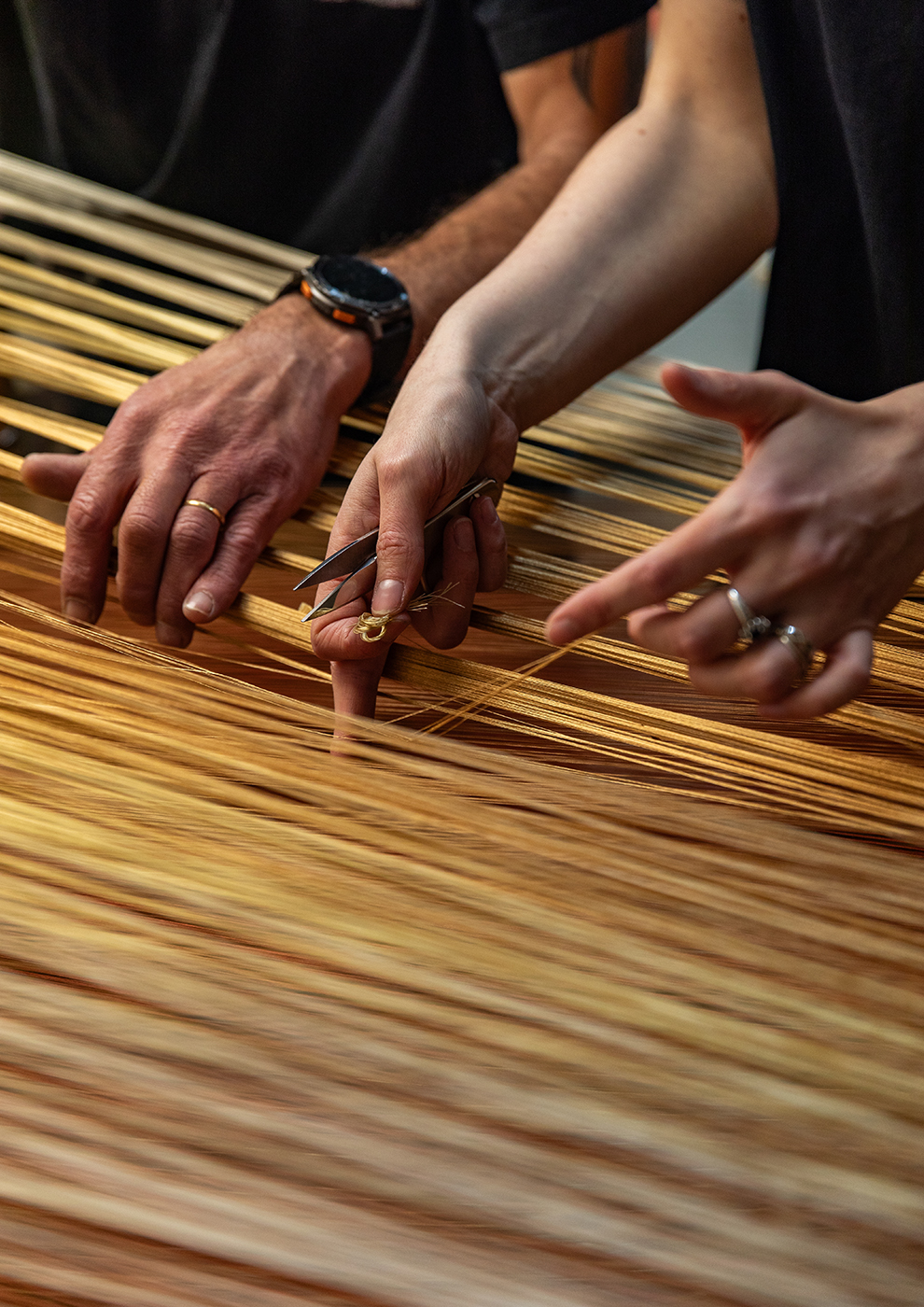
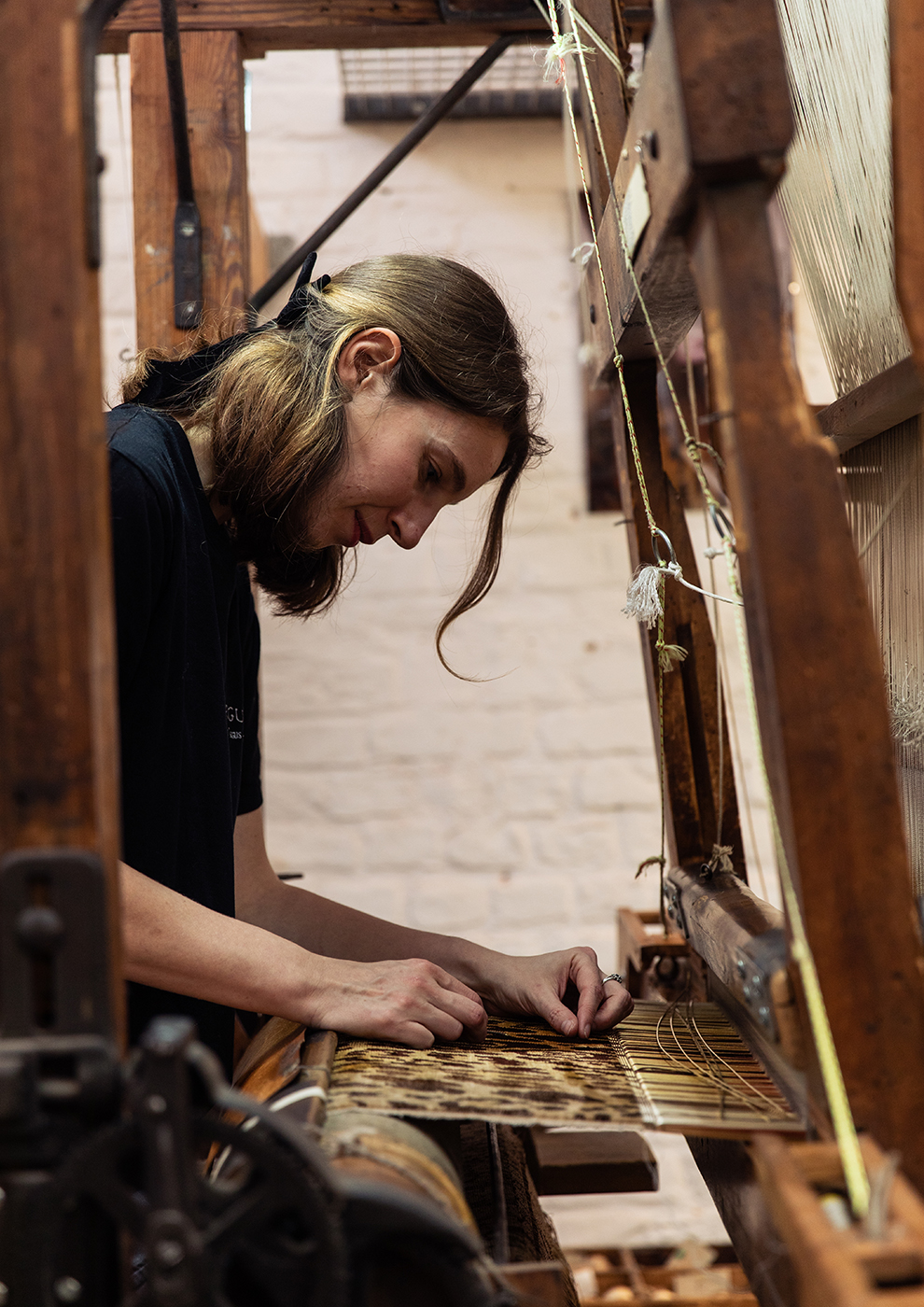
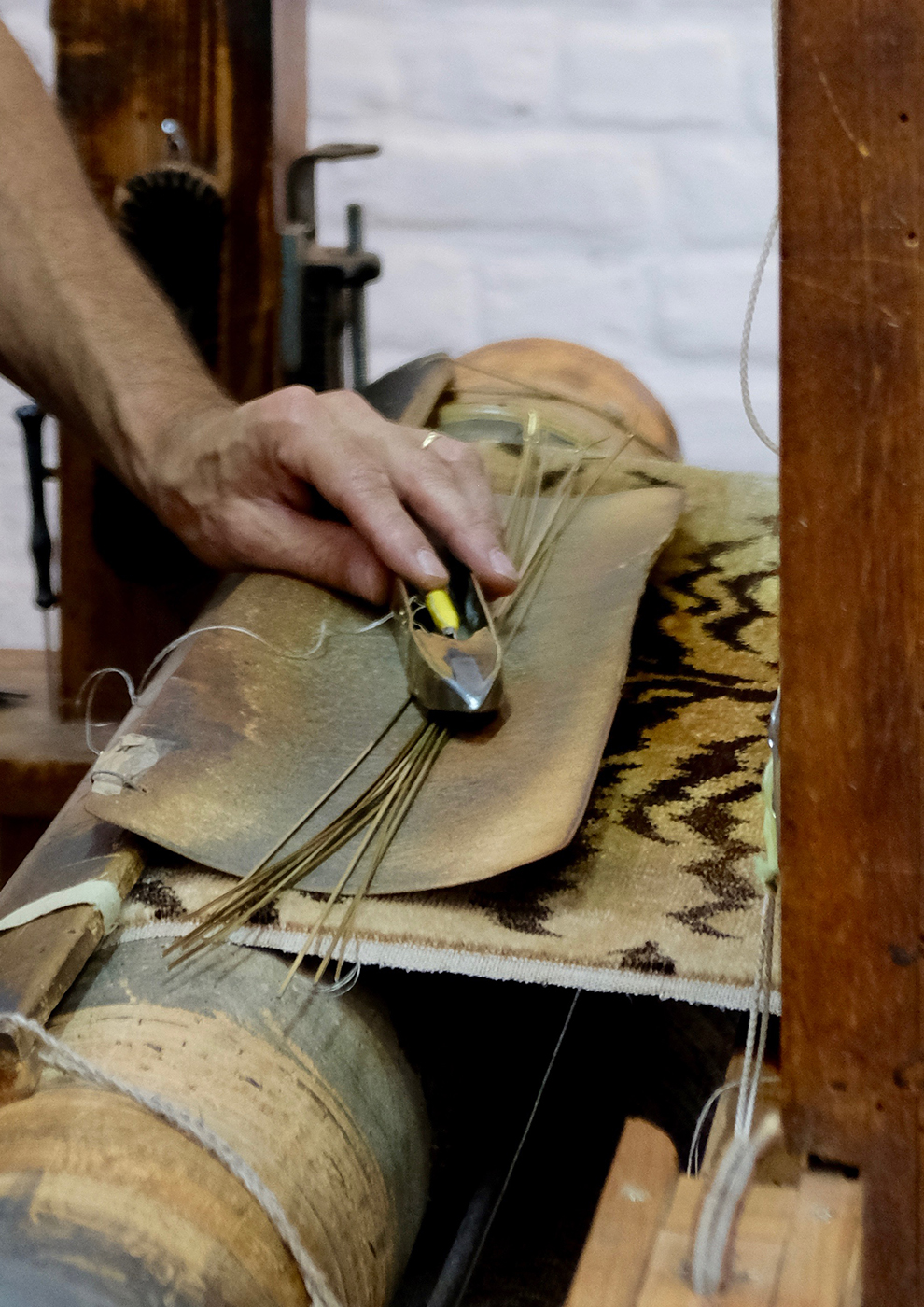
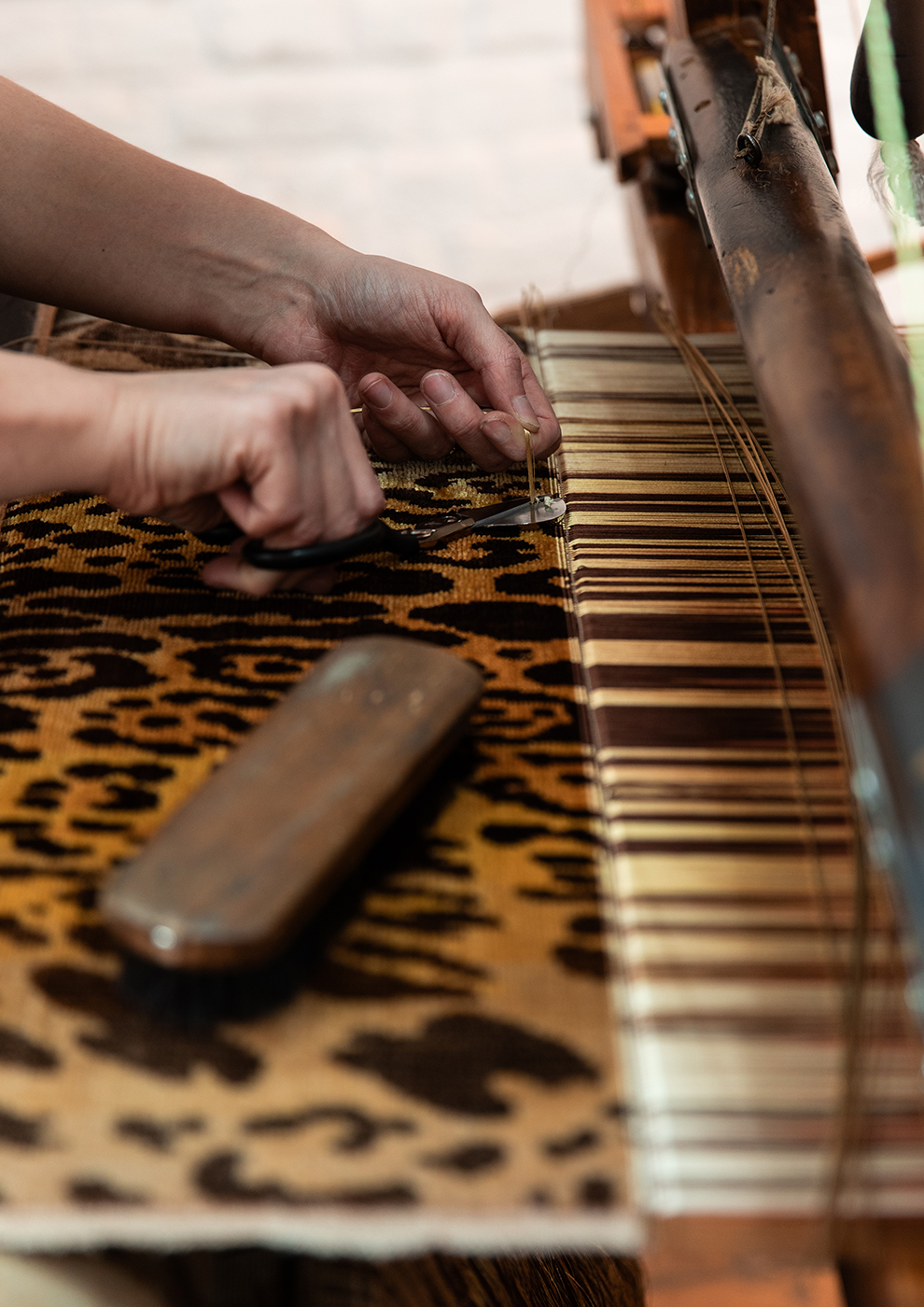
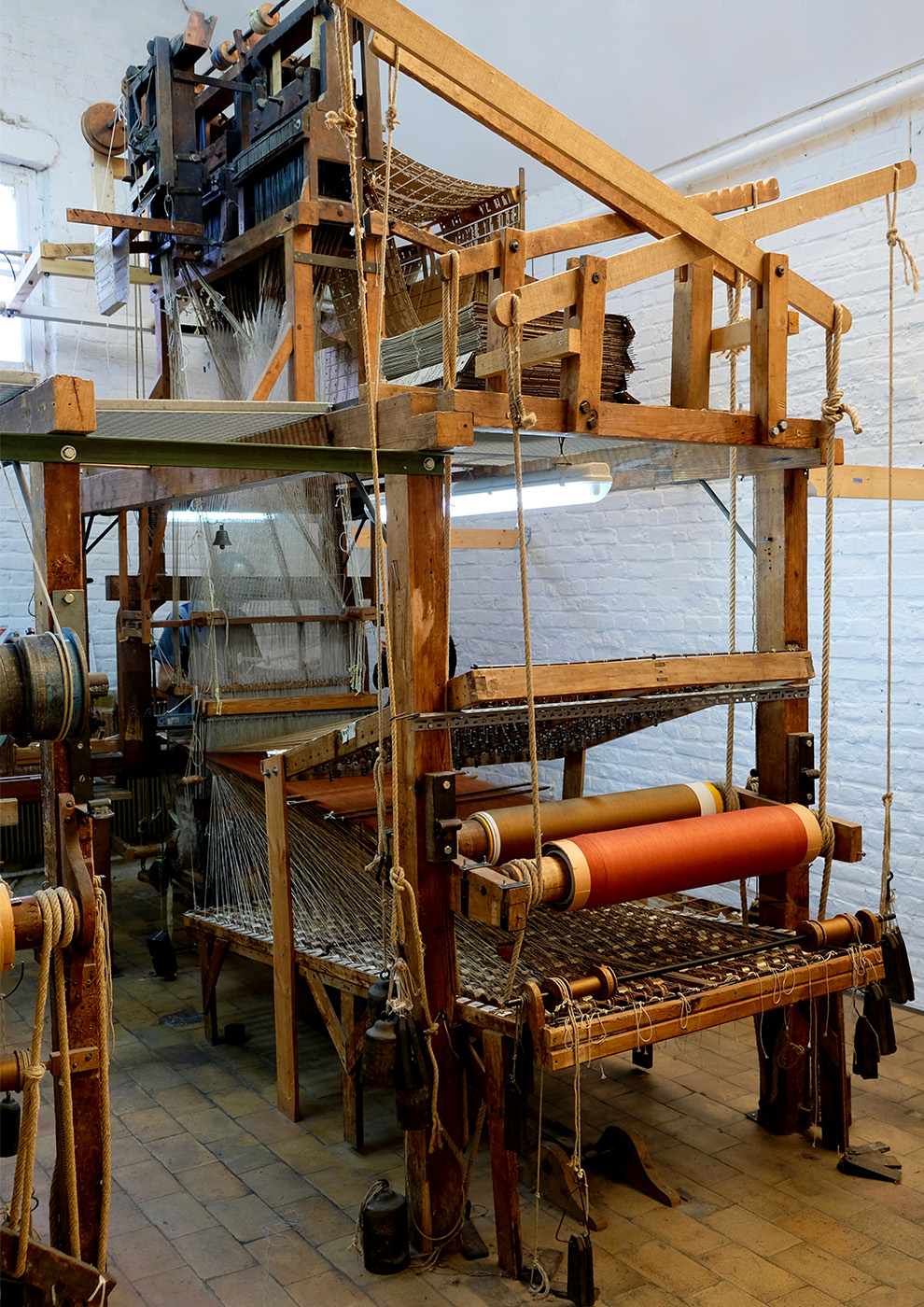
Olivier Joannen, a weaver since the age of 17 and himself trained under a Meilleur Ouvrier de France, is one of the very few artisans in France still practicing on 19th-century handlooms—embodying a deep fidelity to the gesture, the craft, and the Maison. At his side, Pauline Desmullier ensures the continuation of this rare discipline. Trained in applied arts and fascinated by the precision of the hand, she learns day by day the patience, the rhythm of the loom, and the subtle techniques that reveal the light and texture of the fabrics.


Together, they embody the living transmission of an exceptional savoir-faire: hand-weaving Le Manach silk velvet. This meticulous work produces just one meter per day of one of the Maison’s three emblematic designs—Tigre velvet, Léopard velvet, and Moquette Le Manach velvet—on a 65 cm width, where each meter requires thousands of precise, entirely manual gestures.


This award-winning duo illustrates the profound connection between heritage and future, where excellence of craftsmanship is passed on in the quiet of the workshops, in respect for materials, and in a deep commitment to work done to the highest standard.

.

Through this program, the Ministry of Culture reaffirms its commitment to the transmission of craft skills, the training of new generations, and support for professional integration.

At the crossroads of creation, heritage, and the economy, the crafts sector holds a vital place in France’s cultural landscape. It contributes to the country’s international influence, the vitality of its regions, and the preservation of an intangible cultural heritage.


Photo credits: ©Louise Meresse / Ministère de la Culture / Sipa Press 

Website: institut-savoirfaire.fr / maitredart.fr